Biodiversity & Wildlife

1

Documentation of wild Flora & Fauna

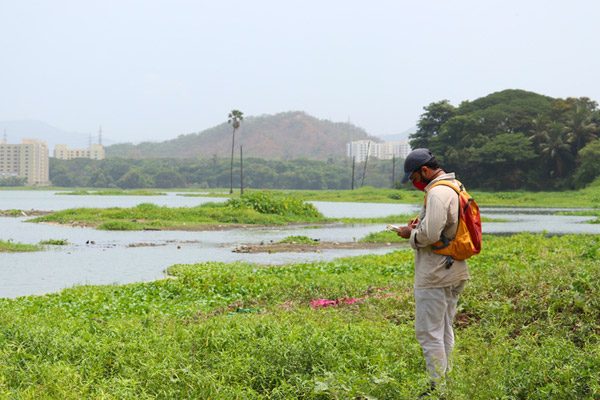
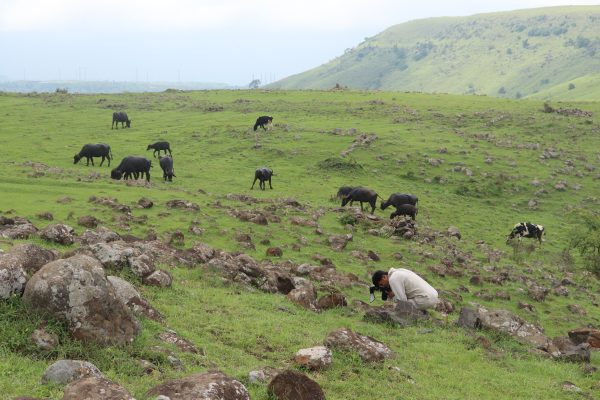
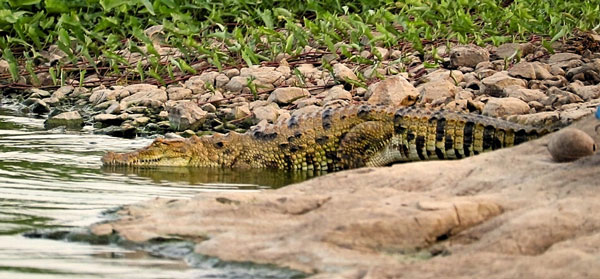
Arula documents diverse species of flora and fauna through comprehensive surveys, providing crucial data on biodiversity. Our work helps understand species distribution and ecological patterns which is essential for effective conservation. By cataloging the variety of life forms from different habitats, we create a foundation of data which is used to analyze the present scenarios and thus help in developing conservation strategies for future.

2

Application of GIS and Remote Sensing Tools

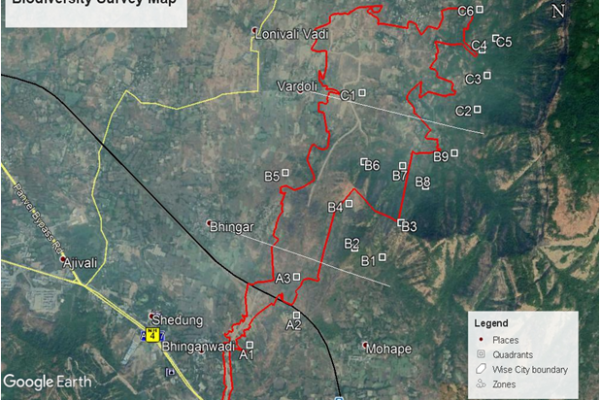
The use of advance GIS & remote sensing tools help us to map and analyze natural habitats from study sites. These technologies offer precise data on land cover i.e. vegetation, helps identify potential habitats of species and assists in mapping species distribution & movement . By integrating GIS and remote sensing in our research, we provide a scientific base for conservation planning, enabling accurate monitoring of habitat and facilitating targeted conservation efforts to protect and restore ecosystems.

image2
Critical-Habitat-Assessment-and-Management

3

Critical Habitat Assessment and Management

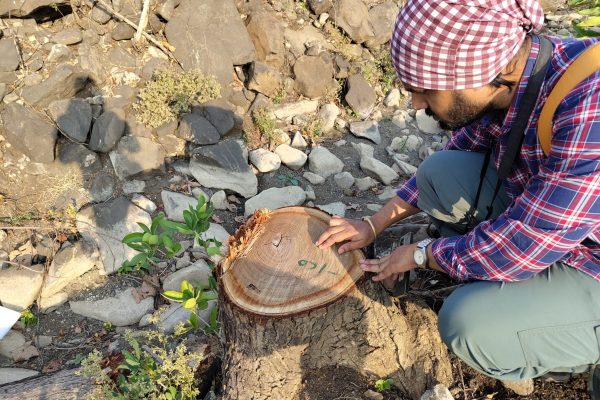
During critical habitat assessments we identify areas vital for species survival. By evaluating habitat conditions and threats, we develop management plans to preserve and restore these essential environments. This process ensures that crucial habitats are studied and effective measures are applied so it supports biodiversity and maintains ecosystem health. 

4

Environment Impact Assessment (EIA)

Arula conducts Environmental Impact Assessments to evaluate potential effects of proposed projects on the environment. Our assessments ensure sustainable development by identifying and mitigating environmental risks. Through EIAs, we protect natural ecosystems from harmful activities, promoting sustainable practices that balance development with ecological preservation.
IMG_20230421_074605516
Bat-Assessment-using-Bat-sensing-devices

5

Bat Assessment using Bat-sensing devices

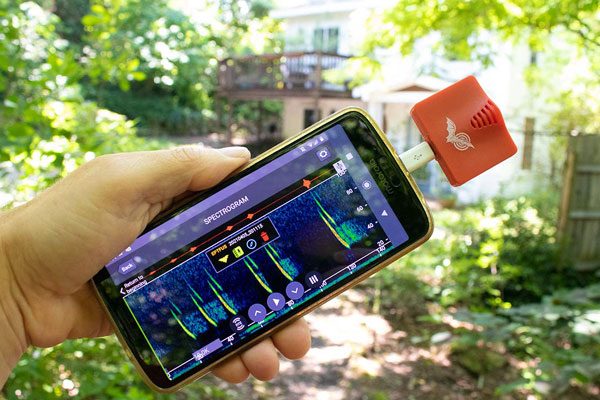
Application of Bat-sensing device to monitor bat populations and their habitats. These assessments provide insights into bat behavior and helps to locate critical habitats. By understanding bat ecology, we implement conservation measures to protect these essential pollinators and insect controllers that contribute to the health and stability of ecosystems.

6

Restoration of Habitats

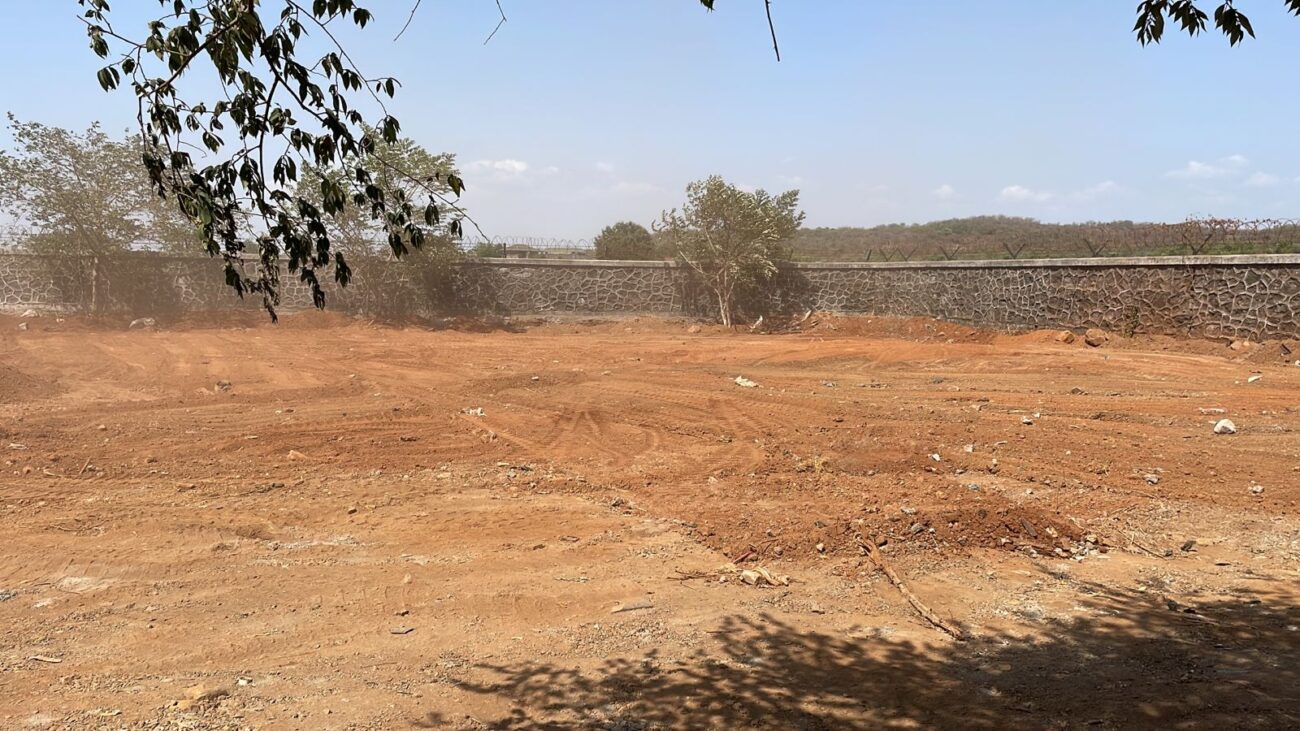
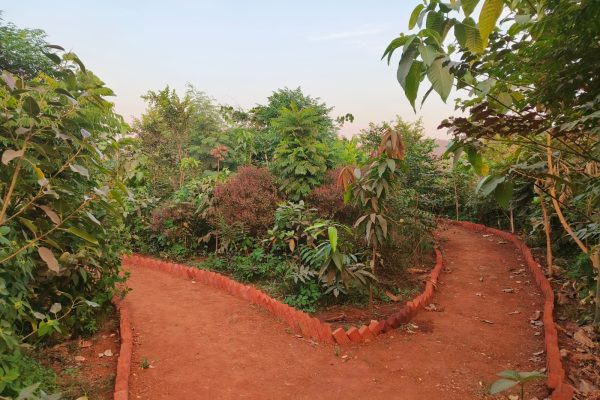
Team Arula is dedicated on restoring degraded habitats using various scientific methods of one such is the Miyawaki technique that helps to create dense forests with the use of native species. Our restoration projects improve biodiversity and ecosystem resilience, bringing back lost ecological functions and enhances habitat quality. This work supports species recovery and strengthens ecosystems against environmental changes.

BEFORE

AFTER

IMG-20240319-WA0011
20220909114110_IMG_6131

7

Monitoring and Analysis of Ecosystem Services

We monitor and analyze ecosystem services to make people understand benefits from nature like water purification, pollination, climate regulation, etc. Study of any habitat helps in highlighting the essential roles that natural ecosystems play in supporting human well-being. Ecosystem Services are closely related with communities residing in nature and therefore through community interaction we are able to make them understand the importance of services around them and how those must be sustainably utilized.

8

Conducting Wildlife Awareness Sessions & Training programs

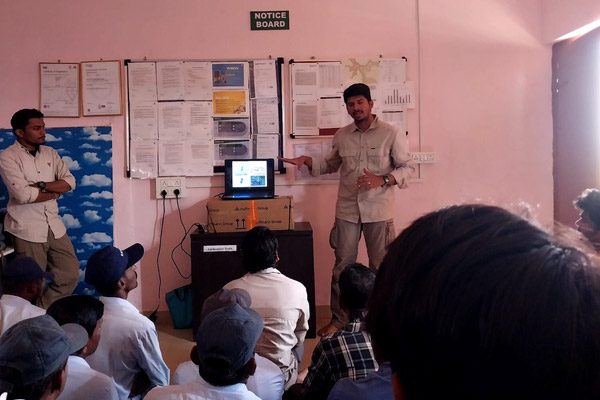
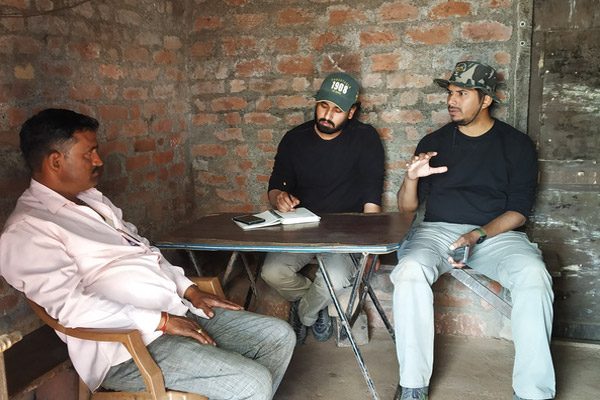
For involving local communities into conservation we conduct socio-economic surveys to gather information on their interactions with nature. This participatory approach ensures conservation efforts align with community needs and knowledge, fostering sustainable and inclusive practices. Through these sessions we enlighten the communities with strategies that benefit both people and the environment.

Communities
Knowledge

9

Recording Indigenous knowledge through Questionnaire Surveys

We document traditional ecological knowledge through questionnaire surveys. Local communities provide a form of secondary data that is often useful in linking several gaps during analysis. At the same time a record of the communities is generated as baseline data. Integrating indigenous knowledge with scientific research and combining cultural wisdom with modern techniques enriches our conservation strategies. This approach supports holistic and effective ecosystem management.

10

Involvement of Stakeholders in decision-making

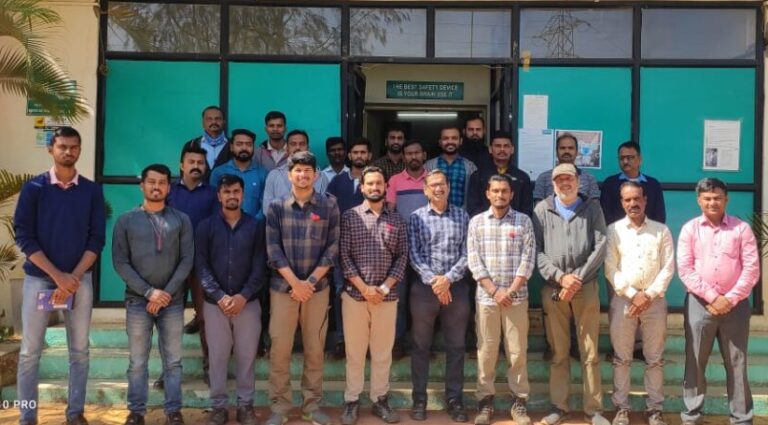
Arula involves stakeholders, including government agencies and local communities, in decision-making processes. This collaborative approach ensures that conservation initiatives are well-supported and transparent. By fostering shared responsibility and accountability, we promote sustainable conservation efforts that protect natural resources for the benefit of all.